
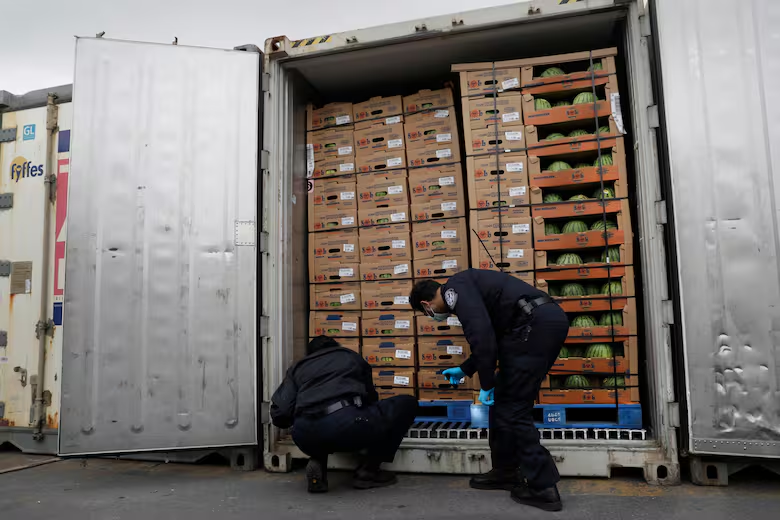
An operation by U.S. Customs and Border Protection (CBP) at Port Everglades, Florida, resulted in the interception of a shipment of 8,500 counterfeit perfumes of well-known brands.
The shipment originated in Singapore and was destined for Miami. Its value would have exceeded $1 million had the products been authentic.
Officers initially inspected the shipment on February 10, 2026. During the inspection, they identified 8,500 units of designer perfumes, CBP reported in a statement.
The shipment had arrived from Singapore and was destined for an address in Miami. Due to suspicions about its authenticity, agents detained the shipment for verification.
Following the initial inspection, officers worked with the Intellectual Property Rights Enforcement Division at CBP headquarters. That assessment confirmed on April 2 that the items were counterfeit.
After confirming they were counterfeit, authorities seized the shipment. The estimated value of the products, had they been genuine, reached US$1,010,940 based on the manufacturer’s suggested retail price.
The statement detailed that the eau de parfums included well-known brands such as Gucci, Burberry, Armani, and Lancôme.
The agency warned that the trade of counterfeit consumer goods is illegal. According to a post on its official X account, this activity “threatens the health and safety of American consumers, defrauds trademark holders, reduces government tax revenue, and funds transnational criminal organizations.”
Furthermore, the statement noted that these items may be manufactured in facilities that employ forced labor and often use low-quality materials that can pose risks to users.
The acting port director, John Rico, stated that the operation “highlights the diligent work of the officers at Port Everglades to protect consumers and safeguard U.S. economic security.”
He also warned that counterfeit goods “not only harm legitimate businesses and the economy, but can pose potentially serious risks to consumer health and safety.”
The agency indicated that it maintains an active intellectual property rights enforcement program. Within this framework, it reported that during fiscal year 2025 it seized more than 78 million counterfeit products, with an estimated value of over US$7.3 billion had they been authentic.
It also recommended purchasing goods only from reputable retailers and encouraged anonymous reporting of potential illegal imports through its Electronic Reporting Program.
How to Spot Counterfeit Perfumes Before Buying in the U.S.
A guide published by Fragrancelord, a website specializing in the sale and review of fragrances, details the main elements that allow you to detect counterfeit perfumes.
The site explained that one of the first indicators is the price. It noted that if a fragrance is “too cheap compared to the official price,” it should be considered suspicious. Like CBP, it recommended buying only from authorized stores or trusted sellers.
Regarding the packaging, it indicated that original boxes have crisp printing, error-free text, and well-aligned seals. Any flaws in the typography, design, or cardboard quality can indicate a counterfeit.
Analyzing the bottle is also key. According to the guide, authentic fragrances usually have heavy glass, precise engravings, and caps that fit tightly. In contrast, counterfeit versions may have lightweight materials or poorly fitted parts.
Another relevant aspect is the batch code. The site indicated that genuine bottles include a number that should match the one on the box and can be verified with specialized tools or by checking the brand.
It also recommended observing the operation of the sprayer and the fragrance’s behavior. A genuine perfume produces an even spray and maintains its scent consistently, while imitations may smell intense at first and then quickly fade or change to a chemical note.