South Florida Businesses Benefit from World Cup Fever in Miami
The World Cup is already mobilizing South Florida, with visitor estimates ranging from 600,000 to one million. A projected $1.3 billion in economic activity and thousands of businesses adapting their offerings to meet the demand explain why the tournament is overflowing the stadium and becoming a major commercial opportunity for the region.
This anticipated impact includes 9,000 local jobs, according to the host committee, and a 200% increase in hotel rates in Broward County during peak periods. In the Fort Lauderdale metropolitan area, spending on lodging, food, transportation, and entertainment could generate between $150 million and $175 million.
The expectation, however, is not uniform. According to CBS News, just days before the start of the matches, several businesses in South Florida were still wondering if FIFA’s estimate would ultimately translate into actual sales.
In downtown Miami, Jacqueline Moshe, co-owner of Miami Discount Center with her husband Dani Moshe, summed up that uncertainty with a concrete hope: “Hopefully FIFA will bring us activity, people, business.” Her husband brought it down to the realm of merchandise: “Colombia is going to win. I have to sell my jerseys.”
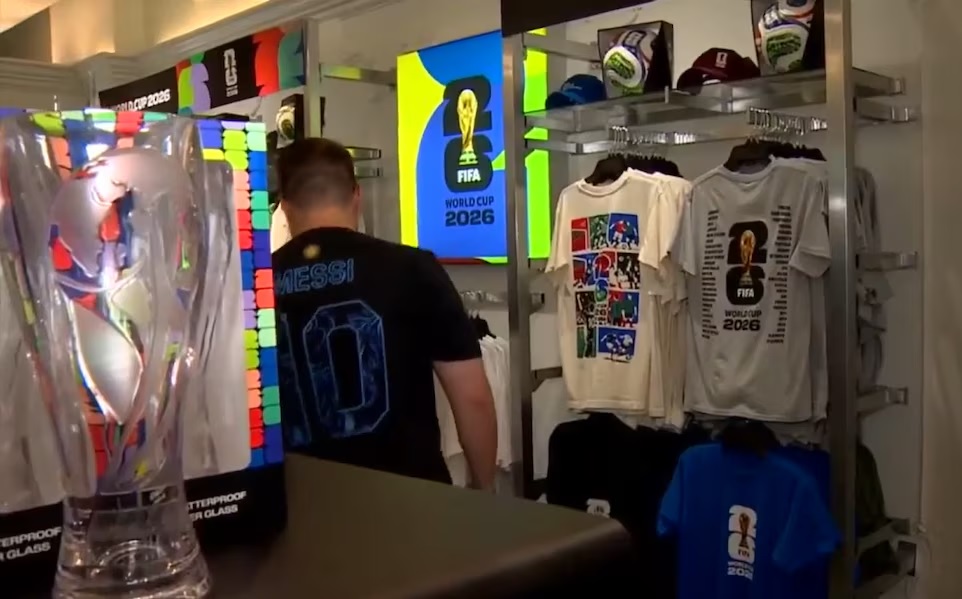
The most visible response came from neighborhood businesses. According to NBC Miami, shops and family-run businesses in South Florida began designing products related to the tournament and the national teams to capitalize on fan interest.
At Cake Lounge Miami, the owner explained that she uses edible ink printing and has transformed that technique into a themed line that ranges from alfajores to Lionel Messi cookies. Born in Rosario, the Argentine captain’s hometown, she said she also added personalized options for those who want cakes, cake pops, or other items decorated with their favorite player.
The entrepreneur described the atmosphere she expects in the city with a direct reference to the strength of the Latino community: “We are very excited because it’s in Miami, with all the Latino people, with all the passion for soccer. We are eager to create many things.”
In Lauderhill, Mario Legros told the media outlet that he began preparing his venture last year, when he learned that Haiti would be in the World Cup. “I said: I have to create a brand,” he stated. The result was T-shirts and flags dedicated to their national team, with designs that went viral and left his store practically without stock.
Legros recounted that he thought the surge would end on May 18, but the opposite happened: “Suddenly, people kept coming like I had never seen before.”
Also in Weston, the restaurant Little Colombia witnessed a scene repeated since 2002 at every World Cup: collectors gathering outside to trade World Cup stickers. This year, according to the television station, the lines stretched out onto the street.
The magnitude of the event is not only measured in retail sales. According to FIFA, the region could experience a financial impact of USD 1.3 billion, while a Deloitte report commissioned by Airbnb estimated the economic effect of guests using accommodations booked through that platform at USD 384 million.