
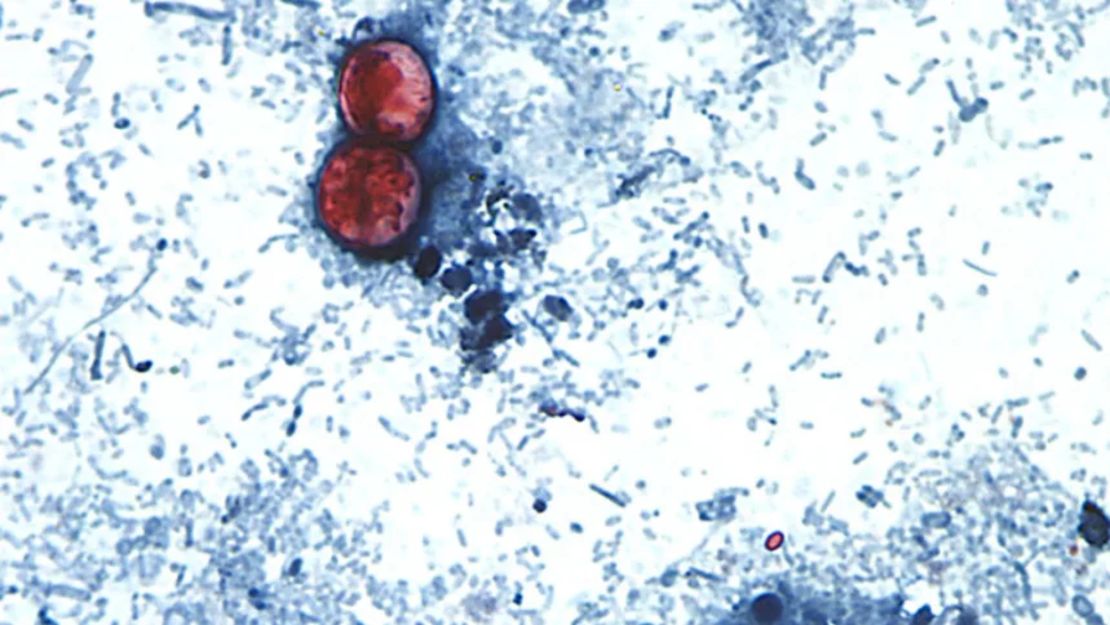
The number of cyclosporiasis cases in Miami-Dade saw a rapid increase during the second week of July, jumping from 6 to 17 confirmed infections in just seven days. This surge has raised concerns among health officials in South Florida, especially since the exact source of the infections has not yet been identified and the peak season extends throughout much of the summer.
Data shows that this spike is not an isolated phenomenon. Other counties in the southern part of the state have also reported new infections, while the cumulative figures in Florida and the rest of the United States reflect a considerable spread of this intestinal illness, primarily associated with the consumption of contaminated food or water.
Cyclosporiasis is caused by the microscopic parasite Cyclospora cayetanensis, an organism capable of causing severe and prolonged diarrhea, abdominal pain, nausea, loss of appetite, and fatigue. Although the infection can affect anyone, it poses a greater risk to older adults, young children, pregnant women, and patients with weakened immune systems.
Between July 4 and 11, 2026, Miami-Dade County went from 6 to 17 confirmed cases, nearly tripling the number in a single week. This surge places the county among the areas in Florida requiring the most attention due to its large population, heavy travel, and the widespread distribution of fresh produce in supermarkets, restaurants, and food establishments.
Broward County also saw an increase, albeit smaller, rising from five to seven cases. In Monroe County, which includes the Florida Keys, authorities confirmed the first infection of the season.
The emergence of cases in multiple counties raises the possibility that the products involved circulated through various markets or distribution chains. However, there is currently insufficient evidence to determine whether all patients were exposed to the same source.
Epidemiological investigations typically analyze the food consumed by those affected, the stores visited, the dates of symptom onset, and possible overlaps between patients. This process can extend over weeks when suspected products are sold in different counties or states.
The increase observed in Miami-Dade is part of a broader trend in Florida. Between May 1 and July 11, the number of reported cases in the state rose from 50 to 96.
This figure is approximately four times higher than that recorded during the same period last year, a difference that reinforces concerns about the intensity of the current season.
Florida typically sees more cases of cyclosporiasis between spring and the end of summer. Weather conditions, the arrival of certain agricultural products, and increased consumption of fruits, vegetables, salads, and fresh herbs can influence outbreaks during these months.
The surveillance season extends until August 31, so there is still considerable time for new diagnoses to be added. Health authorities believe the numbers could continue to rise before the peak period ends.
Furthermore, current statistics may reflect infections that occurred several weeks ago. There can be a significant delay between exposure to the parasite, the onset of symptoms, a doctor’s visit, testing, and notification of the result.
The outbreak is not limited to Florida. Federal authorities have confirmed at least 1,645 cases of cyclosporiasis across 34 states, while more than 5,100 remain under investigation.
Including confirmed and suspected cases, the national total approaches 7,000. At least 141 patients have required hospitalization due to the severity of their symptoms or complications associated with fluid loss.
No deaths related to these cases have been reported to date. However, the absence of deaths does not eliminate the medical risks, especially among vulnerable individuals or patients who experience persistent diarrhea for several days without receiving adequate care.
“The true number of people sickened in this multistate outbreak is likely higher than reported, and the outbreak may not be limited to states with known cases,” the CDC said.